
October 30, 2026
Genuine G.I. Surplus vs Military-Style Gear: What's the Difference?
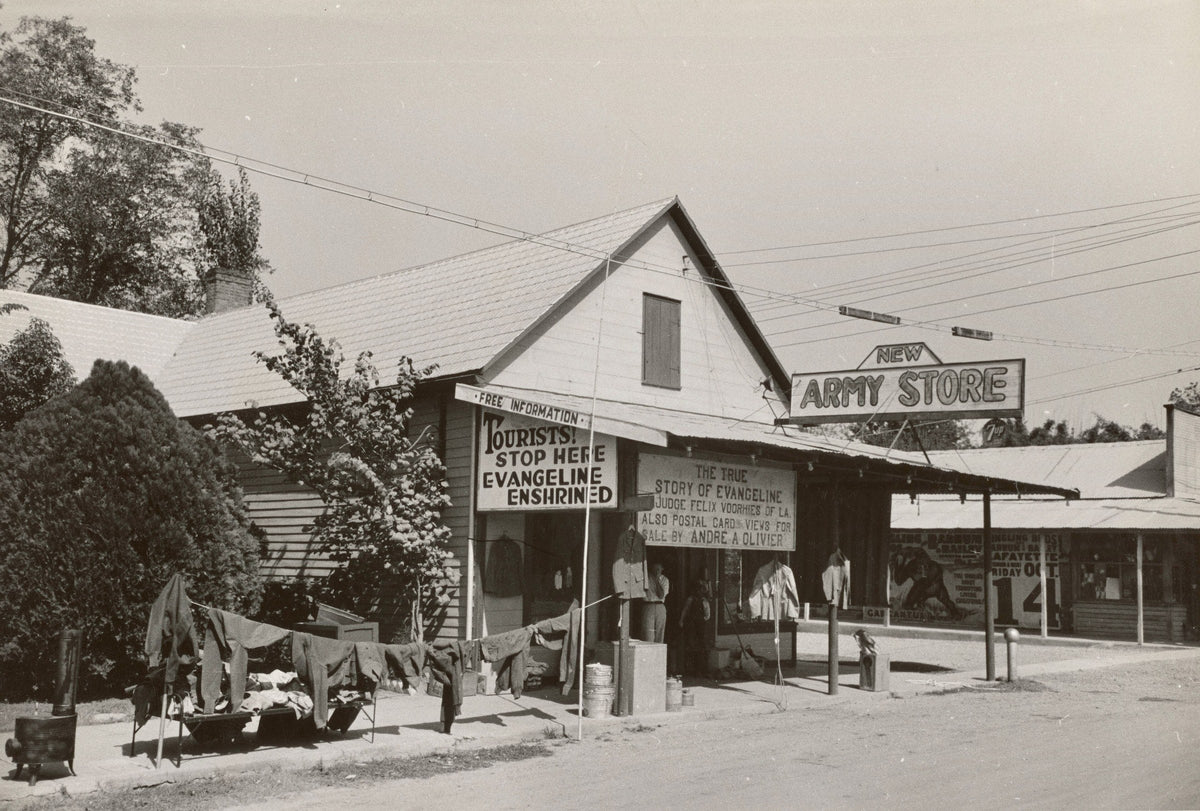
"Genuine G.I." means an item was made under contract for the US armed forces (G.I. stands for Government Issue). "Military-style" or "mil-spec style" gear copies the look, and sometimes the materials, of issued gear but was not made for a government contract. Both can be good purchases. The right one depends on whether you need the real thing for collecting, authenticity or particular specs, or just want durable, affordable gear with a military look.
What "Genuine G.I." means
A Genuine G.I. item was manufactured to a government contract and accepted for military use. That is different from simply copying the style. Typically such items carry a label or marking that identifies the contract and a stock number. Genuine G.I. products can be unissued (never used) or previously issued. You can browse the Genuine G.I. collection to see what is available.
What "mil-spec" means
Mil-spec is short for military specification, a written standard for how something must be made, covering things such as fabric weight, thread, strength and testing. Items built "to mil-spec" meet a given standard, but the term is also used loosely in marketing. A mil-spec product from a commercial maker is not automatically government issue; it simply follows similar rules. If a listing claims a specific standard, look for that detail rather than assuming.
New surplus vs used surplus
| New (unissued) surplus | Used (issued) surplus | |
|---|---|---|
| Condition | Never issued, may show storage marks or age | Worn, washed, may be repaired |
| Look | Crisp, original finish | Faded, character |
| Sizing | Usually consistent, check labels | Varies, may have shrunk |
| Availability | Limited by what remains | Often varies by lot |
Surplus stock changes as lots are sold, so the best way to find a specific item is to browse military surplus and check each product's description for condition.
Why replicas exist
There are several honest reasons:
- Supply: Original surplus runs out, especially in common sizes.
- Sizes and cuts: Government sizing is limited. Replicas often add sizes, women's cuts and updated fits.
- Cost: Commercial production can be more affordable than rare original items.
- Purpose: Many buyers want hardwearing clothing or bags for hiking, work, hunting or airsoft, not a collectible.
- Legal use: Unlike duty uniforms, military-style gear can be bought by anyone.
How to tell the difference
No single sign proves it, but these clues help:
- Contract label. Genuine issued clothing usually carries a sewn-in label listing a contract number, a stock number and sometimes a manufacturer name and date. A label alone should be read carefully, as a few replicas imitate them.
- Country of origin. Government contracts for many items require US manufacture. A "Made in USA" note supports this but doesn't prove it. See Made in USA.
- Fabric and finish. Genuine items often feel heavier and plainer, with consistent stitching and specific hardware.
- Listing language. A seller who says "Genuine G.I." is making a specific claim, while "military-style," "replica" or "tactical" usually signals commercial goods.
- Price and condition. Be skeptical of a very low price for a rare item.
- Ask. Contact us through the contact page if you want details about a specific item.
Which should you buy?
- Collecting or reenactment: Genuine G.I. or accurate reproduction.
- Daily wear and work: Either. Many people prefer new commercial pieces for consistent sizing. See pants and jackets and coats.
- Bags and packs: Issued bags are tough but can be bulky; commercial packs add modern comfort. See backpacks.
- Duty use: Follow your branch or employer's rules. See Army uniforms.
Caring for surplus
Wash old items on a gentle cycle in cold water, check for loose seams and buttons, and air out stored items to remove a musty smell. Wool and canvas dislike harsh detergents and heat.
Common questions about labels
If the label is faded or missing, that does not mean the item is fake. Washing wears labels out, and some items had tags that were removed. Look at the product details and condition notes, and use the contact page if you are unsure.
Frequently asked questions
What does G.I. stand for?
Government Issue. The phrase described equipment issued to US servicemembers and later to the servicemembers themselves.
Is military surplus used?
Not always. Surplus can be unissued (new) or issued (used). The listing should say which.
Is mil-spec better quality?
It means a product meets a defined standard, which often means durable construction. But the term is also used loosely, so check the actual details.
Are replicas bad?
No. Replicas and military-style gear are a sensible choice for everyday use, new sizes and budgets, as long as they are labeled honestly.
Can anyone buy military surplus?
Yes, civilians can buy surplus-style clothing and gear. Only wearing insignia or decorations you have not earned is a problem.
Browse real and military-style gear in Genuine G.I..